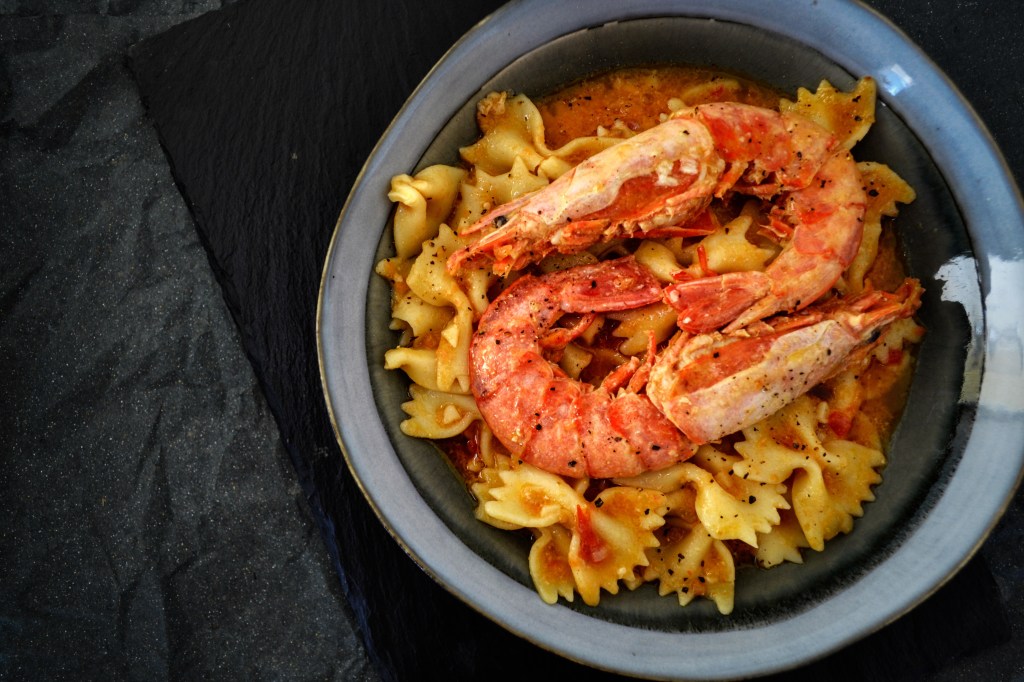
In a world filled with fad diets and conflicting nutrition advice, the Mediterranean diet has stood the test of time as a gold standard for healthy eating. This eating pattern, inspired by the traditional culinary practices of Mediterranean countries like Greece, Italy, and Spain, has gained global recognition for its numerous health benefits and culinary delights. Join me as we explore the intricacies of the Mediterranean diet and discover why it continues to capture the hearts and taste buds of people worldwide.
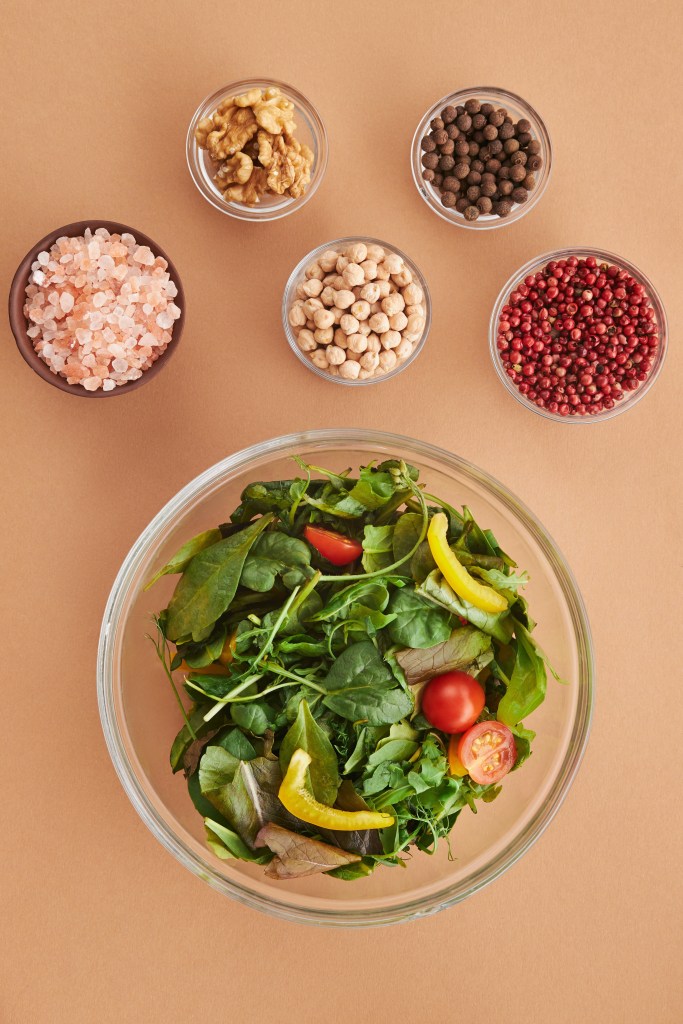
The Foundation: Abundance of Plant-Based Foods
At the heart of the Mediterranean diet lies an abundance of plant-based foods. Fresh fruits and vegetables, whole grains, legumes, nuts, and seeds form the foundation of this eating style. These nutrient-dense ingredients provide a rich source of vitamins, minerals, antioxidants, and dietary fiber, contributing to overall health and well-being. The Mediterranean diet emphasizes seasonal and locally sourced produce, ensuring optimal freshness and flavor.

Healthy Fats: Embracing the Mediterranean Trio
The Mediterranean diet is renowned for its inclusion of healthy fats. Olive oil, a staple in Mediterranean cuisine, takes center stage as the primary source of fat. Its monounsaturated fats have been associated with reducing the risk of heart disease. Additionally, olives and avocados provide healthy fats, while nuts and seeds offer a satisfying crunch and a wealth of beneficial nutrients.

Fish and Lean Proteins: Seafood’s Spotlight
The Mediterranean region is surrounded by bountiful waters, making seafood a significant part of the diet. Fish, particularly fatty fish like salmon, sardines, and mackerel, are rich in omega-3 fatty acids, which are beneficial for heart health and brain function. Lean proteins such as poultry, eggs, and dairy products are also consumed in moderation, contributing to a balanced and diverse diet.

Moderate Consumption of Red Wine: A Cultural Aspect
The Mediterranean diet is often associated with the moderate consumption of red wine. While not essential, many Mediterranean cultures enjoy a glass of red wine with meals. The key is moderation, with no more than one glass per day for women and up to two glasses per day for men. The antioxidants present in red wine, particularly resveratrol, may offer certain health benefits, but non-drinkers can still reap the benefits of the diet without the wine.

Social Aspect and Enjoyment: Savoring Mealtimes
The Mediterranean diet places great importance on savoring meals and the social aspect of eating. Taking time to enjoy meals, sharing food with loved ones, and engaging in lively conversations are integral parts of the Mediterranean lifestyle. This approach fosters a healthy relationship with food, reducing the tendency to overeat and promoting mindful eating practices.

Health Benefits: Science-Backed Findings
Numerous scientific studies have highlighted the health benefits associated with the Mediterranean diet. Following this eating pattern has been linked to a reduced risk of heart disease, lower blood pressure, improved cognitive function, a decreased likelihood of developing certain cancers, and better weight management. Furthermore, the Mediterranean diet has shown potential in preventing chronic diseases like type 2 diabetes and promoting longevity.
The Mediterranean diet encapsulates more than just a set of nutritional guidelines—it represents a way of life that promotes well-being, enjoyment, and longevity. By embracing an abundance of plant-based foods, incorporating healthy fats, enjoying lean proteins and seafood, and adopting mindful eating habits, we can unlock the transformative power of this dietary pattern. The Mediterranean diet serves as a reminder that nourishing our bodies and souls can go hand in hand, making it a timeless and cherished approach to healthy eating. So, why not embark on a Mediterranean culinary adventure and experience the joys of this flavorful, wholesome way of life?
 Health Life Fitness
This is a nice post and yes, the Mediterranean diet is great, I’m surprised that now some scientists recommend no alcohol at all, if possible, considering that red wine can actually help protect against certain cancers, as well as being good for the gut and heart, among other things; also, resveratrol activates the longevity enzyme telomerase!
LikeLike
Of course, red wine should be enjoyed in moderation! 🙂
LikeLike