The rise of diet trends tailored to meet diverse dietary preferences and health goals has contributed to a world where no one size fits all. Among these trends, the Pescatarian diet has gained significant attention. But what exactly is this diet, and could it be the right fit for you?
What is the Pescatarian Diet?
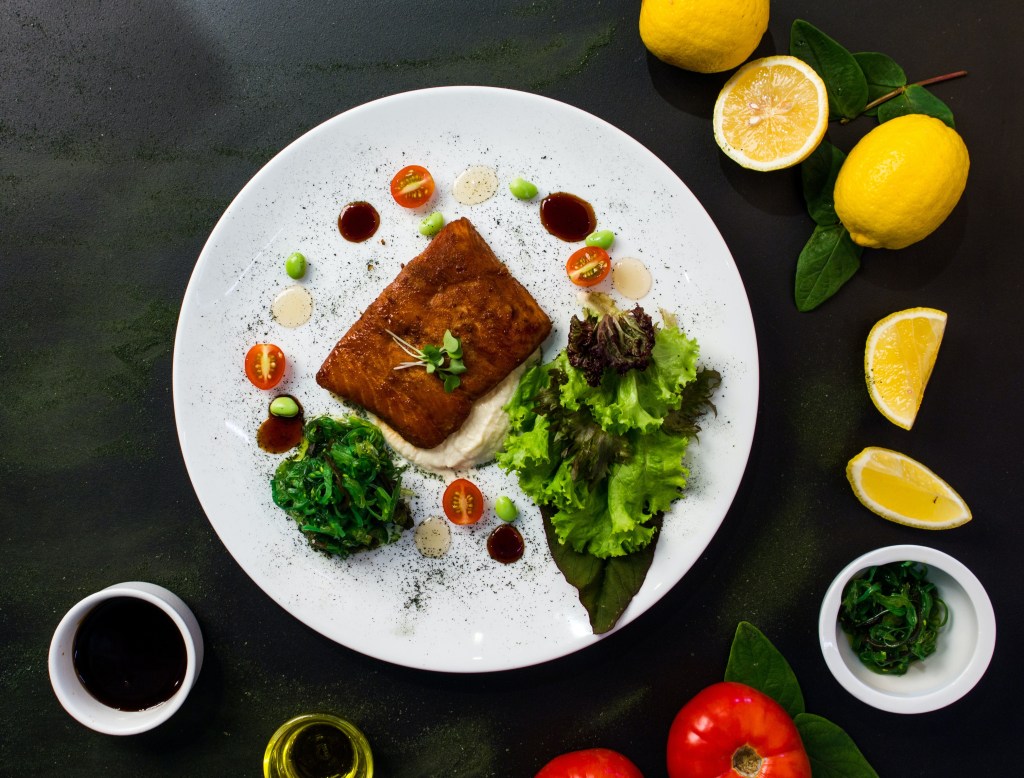
The term “Pescatarian” comes from “pesce,” which means fish in Italian. The Pescatarian diet essentially includes the components of a vegetarian diet, with the addition of fish and other forms of seafood. This diet primarily focuses on consuming fruits, vegetables, grains, legumes, nuts, and seeds, along with fish and seafood, excluding meat and poultry.
Here is an example of a typical day eating on the Pescatarian diet.
Breakfast: Smoked Salmon Scramble
- Scramble two eggs and serve them with smoked salmon, a sprinkle of dill, and whole grain toast on the side. This meal gives you a hearty dose of protein and omega-3 fatty acids to start your day.
Lunch: Shrimp and Avocado Salad
- Toss together mixed greens, cherry tomatoes, sliced cucumber, diced avocado, and grilled shrimp. Drizzle with a vinaigrette made of olive oil, lemon juice, minced garlic, and a touch of honey. This salad is a vibrant medley of veggies with a lean protein source, offering various nutrients and fiber to keep you satisfied.
Dinner: Baked Cod with Quinoa and Steamed Vegetables
- Bake a cod fillet with lemon slices, a dash of olive oil, and fresh herbs like parsley and thyme. Serve this with a side of cooked quinoa and steamed vegetables like broccoli and carrots. This balanced meal provides lean protein, whole grains, and a good portion of your daily vegetable intake.
Snack Idea: Greek Yogurt with Mixed Berries and a handful of Almonds
- Combine a serving of Greek yogurt with a handful of mixed berries (like blueberries, strawberries, and raspberries) and sprinkle with almonds. This snack is a source of probiotics, antioxidants, fiber, and healthy fats.
The Pescatarian diet is very flexible and you can adjust these meals based on your personal preferences and nutritional needs. The focus should be on a variety of whole foods, prioritizing fruits, vegetables, whole grains, and of course, seafood.
Health Benefits of the Pescatarian Diet
Research suggests several potential health benefits associated with the Pescatarian diet. These benefits largely stem from the nutrient-rich nature of its primary food groups. Benefits included brain health; limiting chances of issues like Alzheimer’s disease, eye health, bone health, and even digestive health boosts.
Heart Health
The Pescatarian diet is naturally low in saturated fats, high in fiber, and rich in omega-3 fatty acids, particularly from fatty fish like salmon, mackerel, and sardines. These properties are conducive to heart health, potentially reducing the risk of cardiovascular diseases.
Weight Management
This diet’s emphasis on whole, unprocessed foods can aid in weight management, given the high fiber content of fruits, vegetables, and whole grains. These foods are satiating, which can help manage hunger and overall calorie intake.
Disease Prevention
Following a Pescatarian diet might reduce your risk of chronic illnesses, including type 2 diabetes and certain types of cancer. The diet’s high content of antioxidants, vitamins, and minerals, derived from plant-based foods, contribute to these protective effects.
Is the Pescatarian Diet Right for You?
Deciding whether the Pescatarian diet is a good fit for you depends on multiple factors, including your personal preferences, health goals, and any underlying health conditions.
Taste and Preferences
If you enjoy seafood and are comfortable abstaining from other meats, the Pescatarian diet might be a good fit for you. The variety of vegetables, grains, and seafood available means that this diet can offer diverse and delicious meals.
Ethical and Environmental Considerations
For some, the Pescatarian diet aligns with ethical beliefs about reducing the consumption of meat. Moreover, it can be an environmentally-friendly choice, as seafood (when sourced sustainably) has a smaller carbon footprint than most meat production.
Health Goals and Conditions
If your aim is to improve heart health, manage weight, or reduce the risk of certain diseases, the Pescatarian diet can be a viable option. However, it’s important to consult with a healthcare provider or a dietitian before starting any new diet, especially if you have specific health conditions.
Conclusion
The Pescatarian diet can offer a multitude of health benefits and align with certain ethical and environmental considerations. As with any dietary change, it’s crucial to ensure you’re meeting your nutritional needs and that the diet aligns with your personal preferences and health goals. Always seek advice from healthcare professionals when considering major dietary changes to make informed and safe decisions.
Dive into the Pescatarian lifestyle if it feels right, enjoy the sea of flavours it offers, and take a step towards conscious eating and healthier living.
 Health Life Fitness