Yoga, with its rich history and transformative potential, is more than a form of physical exercise. It’s a complete mind-body practice that interweaves asanas (postures), pranayama (breathing exercises), and meditation to enhance your overall well-being.
Yoga’s popularity is tied to its accessibility and numerous benefits, which range from improved flexibility and strength to stress reduction and mindfulness. Regardless of age, fitness level, or health conditions, anyone can start a yoga practice and reap its rewards.
The world of yoga, while inviting, can feel overwhelming for beginners. Here’s a roadmap to help you navigate this vast landscape and start your yoga journey on the right foot.
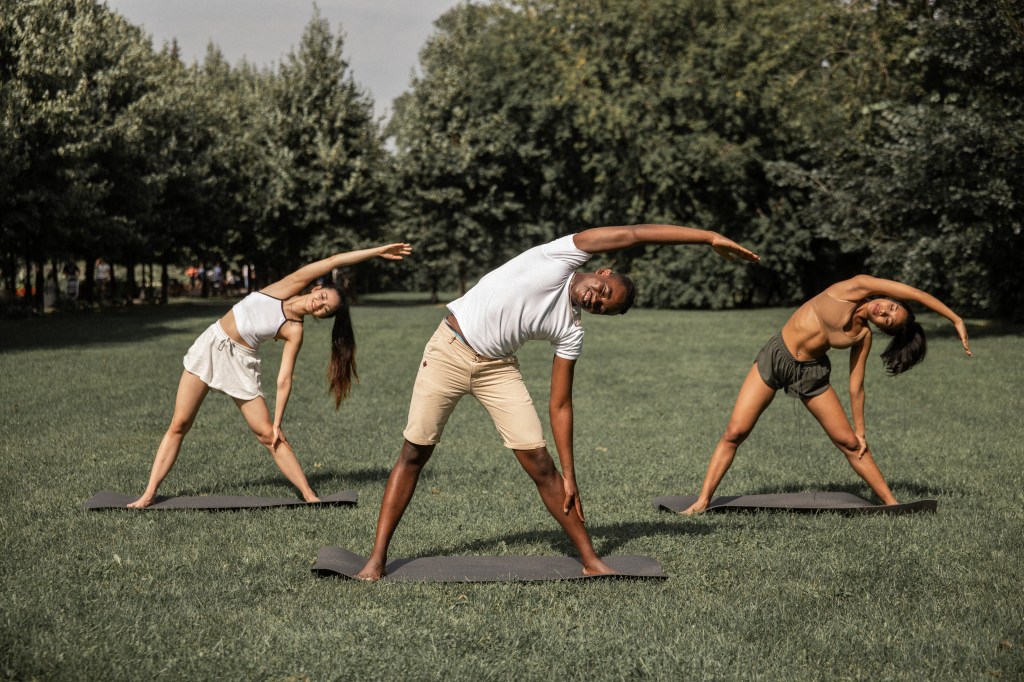
Understanding Yoga Styles:
There’s a smorgasbord of yoga styles, each with its unique flavor and intensity. Hatha Yoga is often recommended for beginners because of its slower pace, which allows you to become familiar with basic postures. Vinyasa Yoga involves flowing movements synchronized with breath, offering a more dynamic experience. Restorative Yoga focuses on relaxation and healing, while Ashtanga and Bikram Yoga present more challenging sequences. It’s essential to explore different styles and find one that resonates with your personal goals and preferences.
Setting Up Your Space:
You don’t need a fancy studio to practice yoga. A quiet, comfortable spot at home will do just fine. A yoga mat is essential for comfort and stability. You might also want to invest in yoga blocks and straps, which can provide support and help you safely reach into more challenging poses as your flexibility improves.
Dress Comfortably:
Wear clothing that allows you to move freely but isn’t so loose that it gets in your way. You should feel comfortable and confident, which will enhance your overall yoga experience.
Starting Your Practice:
Begin with basic poses, focusing on correct alignment and proper breathing. Online platforms offer a plethora of beginner-friendly yoga classes you can follow at your own pace. Alternatively, joining a local yoga class provides hands-on guidance and a sense of community.
Embracing Mindfulness:
Yoga isn’t just about nailing those postures; it’s about being present and aware. By focusing on your breath and maintaining mindfulness throughout your practice, you’ll enhance the benefits of yoga, including stress reduction and improved mental clarity.
Listening to Your Body:
Yoga is not a competition. It’s a personal journey. Recognize your limits and don’t push yourself into poses that cause discomfort or pain. Over time, with consistent practice, you’ll notice increased flexibility, strength, and inner peace.
Consistency is Key:
Even a short daily practice can make a significant difference over time. Try to carve out a consistent time for your yoga practice each day. It could be an invigorating morning session or a calming evening routine.
Starting a yoga practice is like embarking on a journey of self-discovery. You’ll learn to connect with your body, quiet your mind, and perhaps discover a sense of tranquility you’ve never known before. Remember, the most important part of yoga is the experience itself, not the perfection of poses. Embrace the flow, and let yoga guide you towards improved health and mindfulness.
 Health Life Fitness