It’s hard to imagine a kitchen pantry without a jar of honey. This natural sweetener has been prized since ancient times not only for its delightful taste but also for its numerous health benefits. But with the plethora of options available on the supermarket shelves today, choosing the best honey can be quite a task. A common dilemma consumers face is choosing between filtered and unfiltered honey.
Understanding the distinction between these two forms of honey is crucial in deciding which one is best for you. Let’s delve deeper into the world of filtered and unfiltered honey to make an informed choice.
What is Filtered Honey?
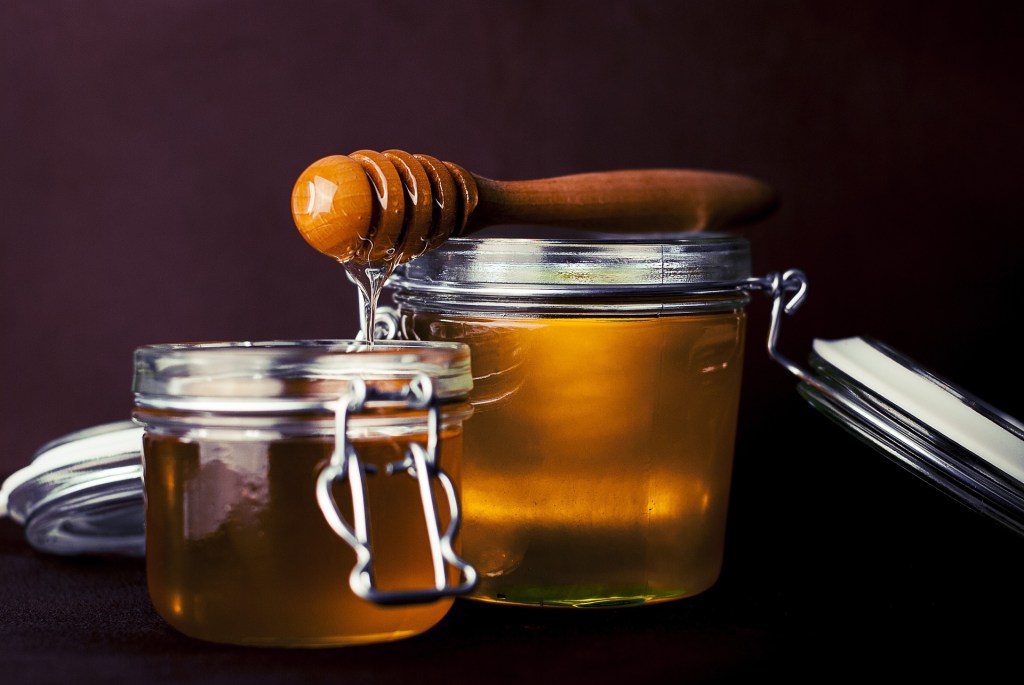
Filtered honey is honey that has undergone a filtering process to remove impurities, such as wax particles, pollen grains, and air bubbles. This process gives the honey a clearer, sparkling appearance, and a smoother, more uniform texture. Most of the commercially available honey is filtered to ensure longer shelf life and aesthetically pleasing appearance.
What is Unfiltered Honey?
Unfiltered honey, often referred to as raw honey, is honey that has not undergone the filtering process. It is directly harvested from the hive and only strained to remove large debris like bee parts or wax combs. This minimal processing leaves in small particles like pollen grains, propolis, and bee bread, which can contribute to the overall health benefits of the honey. Unfiltered honey is generally opaque or cloudy in appearance and may crystallize over time.
Nutritional Value and Health Benefits
Both filtered and unfiltered honey provide essential nutrients like natural sugars, vitamins, minerals, and antioxidants. However, their nutritional profiles differ slightly due to the filtration process.
Filtered Honey:
Though filtered honey contains fewer impurities, the filtration process may also strip away some beneficial components, such as pollen and propolis. Pollen, in particular, is known to contain proteins, amino acids, and bioactive plant compounds that provide a host of health benefits. Nonetheless, filtered honey still retains essential nutrients and antioxidants, and it’s a healthier alternative to refined sugar.
Unfiltered Honey:
Raw, unfiltered honey is a nutrient powerhouse, as it retains all the natural components that come straight from the hive. It contains bee pollen, known to be rich in antioxidants and anti-inflammatory properties. Research suggests that honey pollen can help boost the immune system, support cardiovascular health, and provide relief from seasonal allergies. Moreover, raw honey contains propolis, a bee glue with potent antimicrobial, antiviral, and anti-cancer properties.
Taste and Culinary Uses
Taste-wise, both types of honey offer unique experiences. Filtered honey is typically light, with a smooth and consistent flavor, making it an ideal choice for baking, sweetening beverages, or drizzling over desserts. Unfiltered honey, on the other hand, is characterized by a more robust, complex flavor profile that reflects the floral variety of its origin. It’s an excellent choice for cheese pairings, gourmet recipes, or simply spreading on toast.
Which One is Best for You?
The choice between filtered and unfiltered honey boils down to personal preference and intended use. If you prioritize a clear, aesthetically pleasing honey with a consistent taste and texture, filtered honey may be the best choice for you. It’s also more readily available and has a longer shelf life.
However, if you’re looking for honey with the highest nutritional value, unfiltered honey is the way to go. Its retention of natural components like pollen and propolis means it offers more health benefits, although it may crystallize faster and is often more expensive due to minimal processing.
In conclusion, both filtered and unfiltered honey have a place in our diets. Whether you opt for the smooth consistency of
filtered honey or the robust nutrients of unfiltered honey, both options are delightfully sweet and a far healthier choice than many other sweeteners on the market. Remember, regardless of your choice, moderation is key, as honey is still high in sugars and should be consumed as part of a balanced diet.
 Health Life Fitness