In the realm of dietary trends, one plan that’s been getting a lot of attention over the last few years is the Paleo diet. This diet, also known as the caveman diet or stone-age diet, is based on the premise of eating like our hunter-gatherer ancestors. But what does that mean? And more importantly, is it a dietary plan worth considering? Let’s dive in.
What Is The Paleo Diet?
The Paleo diet is designed to replicate, as closely as possible, the diet of our Paleolithic ancestors. That means consuming foods that were readily available to human beings before the advent of agriculture. The concept behind this diet is to bring our eating habits closer to what they were when our digestive systems were evolving, hence potentially improving health and wellness.
Foods to Eat and Avoid on the Paleo Diet
In the Paleo diet, the focus is on eating whole, unprocessed foods. Here’s a list of some foods that are encouraged:
- Meat and Fish: Preferably grass-fed, pasture-raised and wild-caught to align with the paleolithic ethos.
- Eggs: Choose free-range, pastured or omega-3 enriched eggs.
- Vegetables and Fruits: These should form a significant portion of your diet.
- Nuts and Seeds: These are great sources of healthy fats and proteins, but should be eaten in moderation due to high calorie content.
- Healthy Fats and Oils: Olive oil, coconut oil, avocado oil are good choices.
- Spices: All spices and herbs are allowed and encouraged to add flavor to meals.
Conversely, here are foods that should be avoided:
- Grains: This includes wheat, oats, barley, and any food made from them such as bread and pasta.
- Legumes: Includes lentils, beans, peas, and peanuts.
- Dairy: Most paleo dieters avoid dairy, though some versions of the diet allow full-fat dairy like butter and cheese.
- Refined Sugars and Artificial Sweeteners: These are a no-go.
- Trans Fats: Found primarily in processed foods.
- Processed Foods: If it looks like it was made in a factory, it’s probably not Paleo.
A Day in the Life of a Paleo Dieter
So what does a typical day look like on the Paleo diet? Here’s an example:
Breakfast: Scrambled eggs with vegetables and avocado, served with a side of fresh berries.
Lunch: Grilled chicken salad with olive oil dressing, sprinkled with a handful of nuts or seeds.
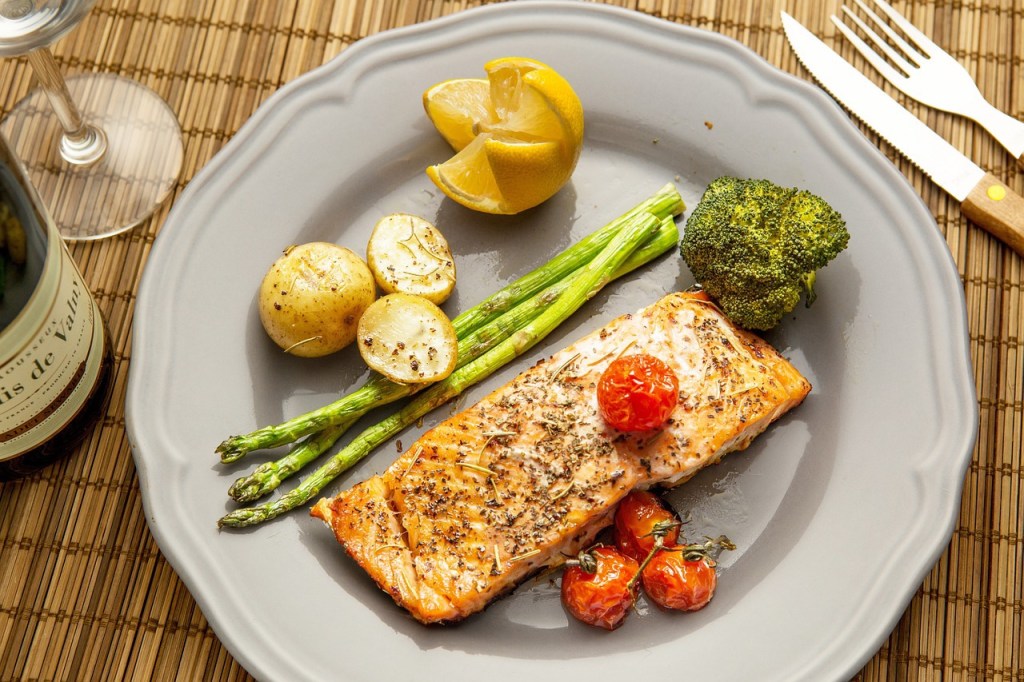
Dinner: Grilled salmon with a side of steamed broccoli and a sweet potato.
Is the Paleo Diet Worth Trying?
Like any diet, the Paleo diet has its pros and cons. On the plus side, it encourages the consumption of whole foods and the reduction of processed foods, sugars, and unhealthy fats. Studies have shown that it can lead to significant weight loss and improved health markers.
On the downside, it eliminates whole food groups like dairy and grains, which are a source of essential nutrients. It may also be difficult to follow due to its restrictive nature and can potentially be more expensive as it emphasizes high-quality meat and organic produce.
It’s important to consult with a healthcare provider or a dietitian before starting any new diet plan, including the Paleo diet. They can provide guidance based on your individual health needs and goals.
In conclusion, the Paleo diet is a dietary plan worth considering, especially for those interested in cutting out processed foods. However, it’s important to approach it thoughtfully, considering both its benefits and potential drawbacks
 Health Life Fitness